
Digital and Assistive Technologies in Care
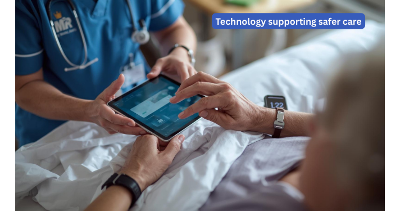
Using technology to support safer, more efficient care
Digital and assistive technologies are increasingly used across health and social care to support staff, improve safety, and enhance the experience of people receiving care. When used appropriately, these tools can reduce workload pressures, improve communication, and support earlier intervention.
This bulletin introduces common digital and assistive technologies that can be used in care settings and explains how they support day to day practice.
Examples of digital and assistive technologies include:
• Telehealth and remote monitoring tools that help track vital signs, long term conditions, or medication adherence
• Wearable devices and sensors that can alert staff to falls, reduced movement, or changes in routine
• Digital care records and mobile apps that support accurate documentation, smoother handovers, and better communication between teams
Why these matters
Using technology effectively can help improve resident and patient safety, reduce the risk of errors, and save time on administrative tasks. It can also support more person-centred care by helping staff respond more quickly to changes in need.
In practice
• Technology should support care, not replace professional judgement
• Staff should feel confident using digital tools and know where to get support or training
• Information governance and confidentiality must always be maintained
Explore resources and training: Assistive Technology
NHS Wales Digital Health and Care provide guidance, tools, and learning resources to support the safe use of digital technology in care settings.
Tip: Start small by trialling one simple digital tool within your team. Share feedback and learning with colleagues to build confidence and support wider adoption.


