
Dangerous structures
Important - What is not a Dangerous Structure
Not all building concerns fall under Dangerous Structure legislation.
Boundary walls, party walls and neighbour disputes are not normally Dangerous Structure matters, even where there is disagreement between neighbours about condition, ownership or responsibility.
Please do not use this form if your concern relates to:
- Boundary walls, garden walls or fences that are leaning or cracked but not at immediate risk of collapse
- Walls or structures shared between neighbours (party walls) where the issue relates to:
- Ownership or responsibility
- Disrepair over time
- Damage caused by nearby building work
- Disputes between neighbours
- Ongoing or historic maintenance issues
- Civil disagreements about who should carry out or pay for repairs
These matters are usually private civil issues and should be resolved between the property owners, or through a surveyor, solicitor, or under the Party Wall etc. Act 1996, where appropriate. The Council has no powers to intervene in neighbour disputes or to enforce repairs where there is no immediate danger to public safety.
When should this be reported as a Dangerous Structure?
A Dangerous Structure should only be reported where there is an immediate risk to people's safety, for example:
- A wall, building or part of a building is in imminent danger of collapse
- Falling masonry, bricks or roof materials pose a direct risk to the public
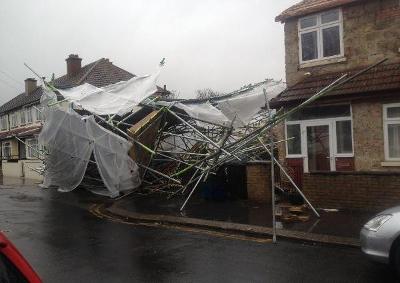
- Damage caused by fire, impact or severe weather has left the structure unstable
If the issue does not present an immediate risk, it is unlikely to meet the threshold for Dangerous Structure action and your report may be closed without further investigation.
Unsure whether to report?
If you are unsure, consider seeking independent advice from a qualified surveyor or structural engineer before submitting a Dangerous Structure report.
Submitting reports for matters that are not dangerous structures delays our response to genuine emergencies where public safety is at risk.


